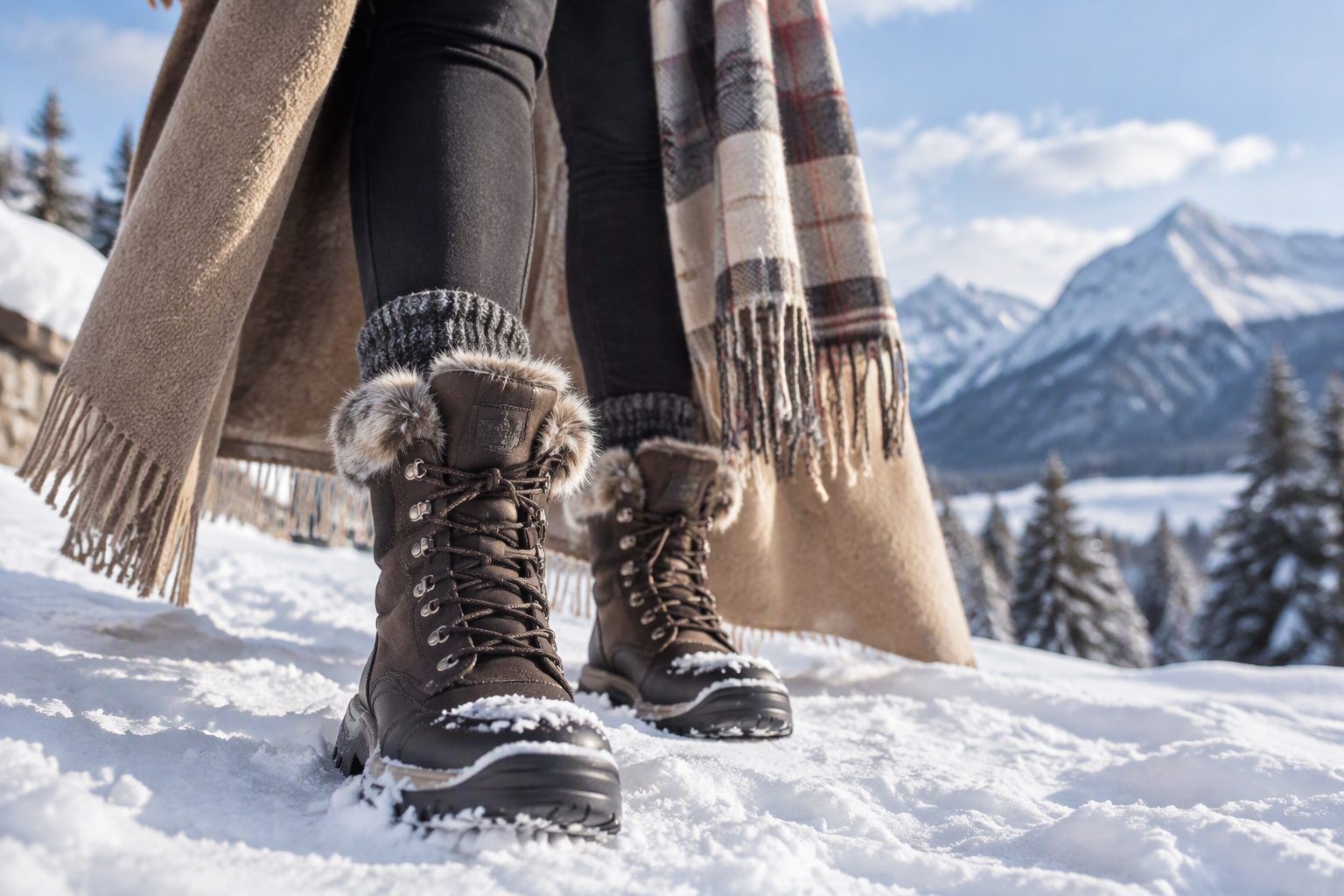
Winter Boot Guide: Style, Warmth, and Comfort Combined
Affiliate Disclosure: This post contains affiliate links. If you purchase through these links, we may earn a commission at no extra cost to you.
Winter boots face an unfair burden. They have to keep your feet warm in sub-zero temperatures, handle snow and ice without killing you, survive road salt, look stylish enough to wear to dinner, and ideally not cost a fortune.
The good news: you can have all of this. The bad news: you need to be strategic about what you buy. Here’s the cold-weather boot guide.
What to Look For
Insulation
Look for boots with Thinsulate or PrimaLoft insulation. These synthetic insulations are thin but exceptionally warm, rated for specific temperature ranges (e.g., “rated to -20°F”). They make a significant difference when walking in deep cold.
Waterproofing
“Water resistant” doesn’t cut it in snow. Look for boots labeled waterproof — typically with a waterproof membrane like Gore-Tex or a fully sealed construction. Wet feet are cold feet.
Sole
A lug sole (thick treaded sole) provides grip on ice. Smooth soles are a slip-and-fall waiting to happen. The sole should also be substantial enough to keep your foot off the cold ground.
Height
Ankle boots are fine for cities and minimal snow. Mid-calf boots handle 4-6 inches of snow. Knee-high boots are necessary for deep snow or long periods outside.
Top Winter Boot Picks
For City Winters: Blundstone Thermal
Blundstones are the do-everything winter boot — slip-on, waterproof, and durable. The Thermal series adds sheepskin footbeds for warmth. Best for: commuting, casual wear, and all-day comfort.
For Deep Snow: Sorel Caribou
Sorel’s Caribou is the classic warm winter boot — rated to -40°F with a heavy rubber shell and felt liner. Best for: snow shoveling, outdoor activities, real cold-weather living.
For Style + Warmth: Stuart Weitzman 5050
These over-the-knee boots are what you see on stylish women in New York in January. The back is stretchy, the front is leather, and they’re beautifully fitted. Best for: looking fashionable despite sub-zero temperatures.
For Rain + Light Snow: L.L.Bean Bean Boot
Duck boots are a prep staple for a reason — they handle wet conditions and light snow with style. The chamois upper is water-resistant and the rubber bottom is fully waterproof. Best for: damp but not freezing days.
Caring for Winter Boots
- Re-treat leather annually with a weather-proofing spray
- Wipe off road salt immediately — it pulls oils from leather and leaves white stains
- Dry boots with newspaper stuffed inside; never on a heater
- Replace insoles every year for continued cushioning
Most Versatile Winter Boot
If you’re buying just one pair, look for:
- Leather or waterproof material
- Knee-high or mid-calf
- 1-inch sole with light lug tread
- Slim black or brown design
- Inside zip for easy on
A knee-high flat boot in black leather with minimal detailing works for the office, the weekend, and dinner out. Layer with thermal socks on the coldest days. Use a suede version for milder winter days.
The right winter boots aren’t a luxury — they’re necessary infrastructure for cold weather life. Buy them before the first snow, not after. And size up half a size to accommodate thick socks.